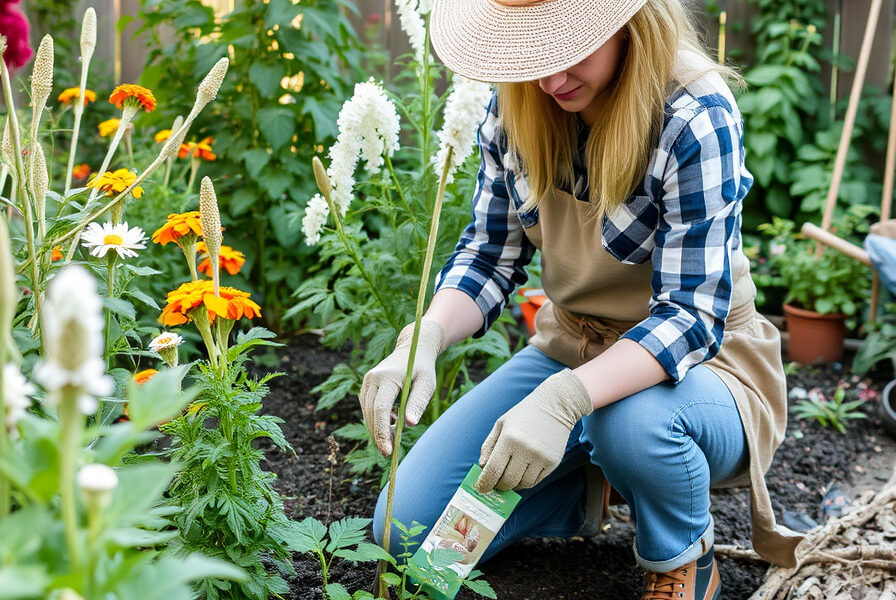
July is the height of summer in the UK—long, warm days and everything growing at full throttle. While your garden may be at its peak in colour and productivity, it’s also a month of maintenance, harvesting, and preparing for what’s next. Here’s your go-to guide for what to do in your garden in July.
🌸 Flower Garden
1. Deadhead for Continuous Blooms
Many flowering plants—like roses, geraniums, and dahlias—will keep producing if you remove spent flowers regularly. This encourages the plant to invest energy into new blooms rather than seeds.
2. Cut Back Early Flowering Perennials
Plants such as hardy geraniums and lupins can benefit from a hard prune now. This will tidy them up and encourage a second flush of flowers later in the summer.
3. Water and Mulch
The soil can dry out fast, so water deeply in the early morning or evening. Apply mulch (compost, bark chips, or even grass clippings) around perennials to retain moisture and suppress weeds.
🥕 Fruit & Veg Patch
4. Harvest Regularly
- Courgettes can become marrows in a blink—check daily!
- Beans, peas, salad leaves, and soft fruits like raspberries should be picked often to encourage more crops.
- Potatoes (early varieties) are usually ready now—gently dig around to check.
5. Sow for Autumn and Winter
Don’t stop sowing! You can still plant:
- Salad leaves
- Spinach
- Beetroot
- Spring onions
- Kale
These crops will grow into autumn or be ready for winter harvest.
6. Pinch Out Tomato Side Shoots
If you’re growing cordon (indeterminate) tomatoes, pinch out the side shoots and top off the main stem once 4–5 trusses have set. This channels energy into ripening fruit.
🌳 General Garden Jobs
7. Lawn Care
Mow weekly but raise the cutting height in dry weather to reduce stress. Consider leaving a patch uncut for pollinators and biodiversity.
8. Weed Vigilantly
Weeds grow fast in the warmth. Pull them out before they set seed, especially in veg beds and borders.
9. Feed Hungry Plants
Container plants and heavy feeders like tomatoes and cucumbers need regular liquid feeding. Use a high-potash feed (like tomato feed) weekly.
🐝 Wildlife & Environment
10. Top Up Bird Baths
Keep fresh water available for birds and pollinators. Insects like bees and butterflies also benefit from shallow dishes with stones to land on.
11. Plant for Pollinators
Still time to plant lavender, echinacea, rudbeckia, or cosmos for late-summer pollinator support.
🌦 Weather Watch
UK weather in July can swing from hot spells to sudden rain. Make use of:
- Water butts to collect rainwater
- Shade cloths for greenhouse ventilation
- Netting to protect fruit from birds or strong wind