Such unsettled feelings stem from my childhood when summers seemed so long and yet too short, the looming shadow of ‘back to school’ reaching towards me as every sun-soaked day passed.
There’s an inescapable melancholy about August. If you are able to collect grey water from washing up or showers then use this next. Above all, don’t be despondent if you return home from holiday to a scene reminiscent of Manderley. Give yourself a couple of hours and you’ll soon have everything under control again.
August at a Glance
Plan – plant moves to be completed in autumn or spring, spring bulb displays, holiday watering cover if you’re away in September.
Sow – hardy annuals including larkspur, antirrhinum, cornflower and nigella love-in-a-mist. If that’s not an option, move plants away from brightly-lit windows to a cool, shaded spot and water generously before you leave. This is important as erratic watering can cause a host of problems including leaf drop, fruit rot, fruit splitting, loss of disease resistance and reduced production.
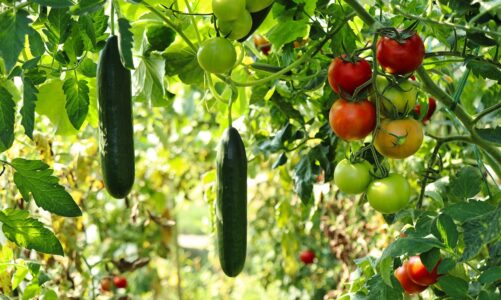
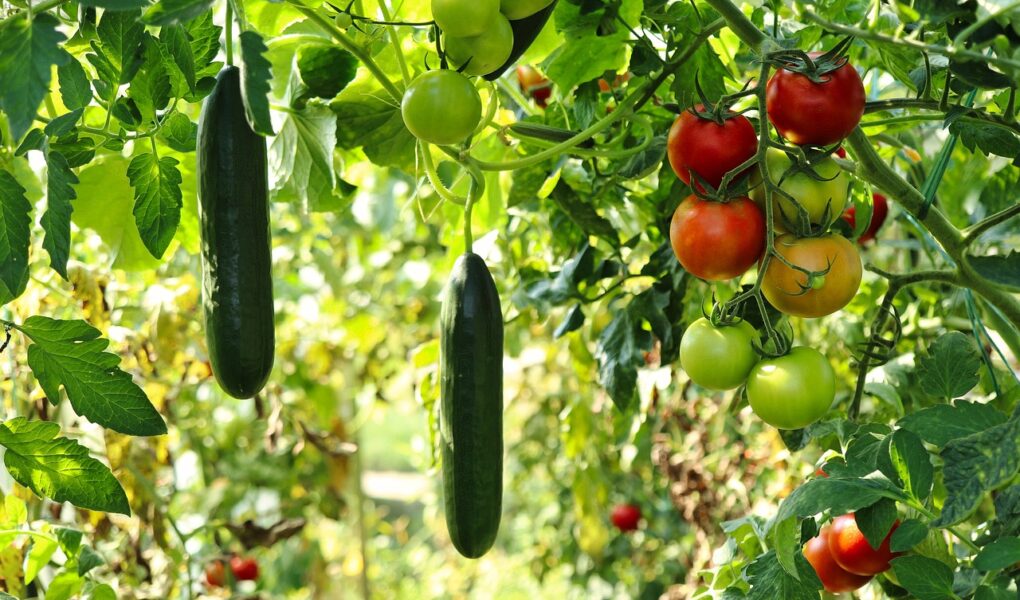
Help tomatoes ripen by removing the plant’s lower leaves and any side shoots that form this does not apply to bush or trailing varieties. If your shed has windows, ensure nothing valuable is visible and hide anything that could be used to smash glass or force open a door. If plants are packed in closely, remove lower leaves to improve air circulation around their bases and this will go some way to stave off an attack of the white stuff.
If you are going away on holiday, move pots into a cool, sheltered position and water them thoroughly before you depart. You’ll find some great ideas here.
Clear weeds from cracks in paving and driveways before they get established. August and September are suited to shades of yellow, orange, copper, red, burgundy, bronze, black and purple that are enriched by soft, rich sunlight.
Continue to pick flowers as often as you can, preferably in the early morning or late evening: you will be doing your plants a favour, allowing them to put their energy into producing new growth and flowers. All it takes is one gusty day or a summer storm to topple the lot. Practically speaking it can be difficult to find space in borders for bulb planting now, but in lawns and meadows, you should be able to get cracking provided the soil is not too hard and dry. This is when next year’s flower buds are formed and a lack of water now can mean no flowers in spring.
Check hedges for resident wildlife before you start working on them. Tough, thorny plants like pyracantha and berberis are especially dangerous when trimmings start flying about. Others, like yew, have an amazing ability to regenerate from old wood.
Cut laurel hedges with secateurs rather than shears. Don’t worry too much, as grass naturally goes dormant after two to three weeks without water. Most lawns can tolerate drought for four to six weeks but after that, there’s a risk they won’t regrow. During dry weather, avoid playing boisterous games on the driest areas and if there’s no rain forthcoming, water once but very deeply providing the use of hosepipes is still permitted.
Trim vigorous climbers such as honeysuckle, jasmine and wisteria to keep long, whippy stems under control. If there are longer shoots you want to keep to create a framework, tie these in with soft twine while they’re still soft and pliable.
Tidy up rambling roses by removing thin or tangled stems once they stop flowering. Gluts are all but inevitable so eat your fill, preserve what you can and give the rest away. Those types with tendrils should attach themselves but may need a little coaxing in the right direction. A pond that’s completely choked with vegetation will quickly become depleted of oxygen and may even start to smell unpleasant. If house martins are resident where you live, create a patch of mud somewhere in your garden so that they can use it to repair their nests.
Leave seedheads on plants such as teasel, lavender, sunflowers and Verbena bonariensis. Stop deadheading roses too, if you wish the hips to develop.
Young hedgehogs hoglets need fattening up before they go into hibernation in late autumn. Put out dishes of water and meat-based pet food if they’re visiting your garden.
Continue cutting established wildflower meadows. You will receive an email every time I post something new.
One comment On Your Garden In August,