Grow Up, Not Out: The Rise of Vertical Gardening
In a world where space is shrinking but the love for greenery keeps growing, vertical gardening has taken root as one of the most innovative trends in modern horticulture. Whether you live in a tiny apartment, an urban townhouse, or just want to add some life to your indoor space, vertical gardening offers a fresh, functional, and beautiful way to connect with nature.
What Is Vertical Gardening?
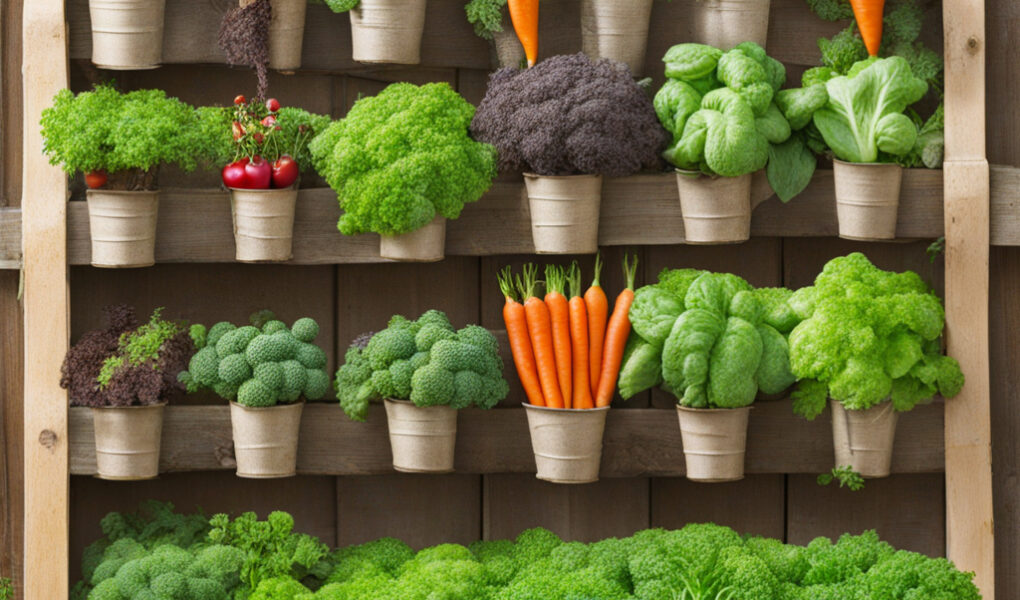
Vertical gardening is the practice of growing plants upward instead of outward—on walls, trellises, shelves, or specially designed vertical structures. This method not only saves space but also transforms dull surfaces into living art. From herbs and succulents to vegetables and flowering vines, almost any plant can be part of a vertical garden.
Why Go Vertical?
Here are just a few reasons gardeners are reaching for the sky:
1. Maximize Small Spaces
Vertical gardens are ideal for small balconies, patios, and even indoor walls. They allow you to grow more plants in less square footage.
2. Cleaner, Healthier Air
Plants naturally purify the air. A wall of greenery inside your home or office can reduce toxins, regulate humidity, and improve overall indoor air quality.
3. Urban Aesthetics
A vertical garden can add texture, color, and life to concrete jungles. Living walls are now popular design features in restaurants, hotels, and city offices for good reason—they look stunning and feel rejuvenating.
4. Easier Maintenance
Depending on your setup, vertical gardens can be easier to water, prune, and harvest—especially if you have mobility issues or don’t want to kneel in soil.
5. Eco-Friendly Cooling
Green walls can help insulate buildings, reducing the need for air conditioning in summer and heating in winter. That means lower energy bills and a smaller carbon footprint.
Best Plants for Vertical Gardens
While almost any plant can be grown vertically with the right setup, here are a few favorites:
- Herbs: Basil, mint, oregano, parsley, and thyme
- Leafy greens: Lettuce, spinach, arugula, and kale
- Vines: Ivy, philodendron, pothos, and jasmine
- Succulents: Ideal for living walls thanks to their shallow roots
- Strawberries and cherry tomatoes: Perfect for vertical edible gardens
Getting Started: Tips for Beginners
Thinking of starting your own vertical garden? Here’s how to begin:
- Choose Your Location
Determine whether it will be indoors or outdoors. Assess how much sunlight the area gets—this will dictate what kinds of plants you can grow. - Pick Your Structure
Options include wall planters, stacked pots, hanging pockets, wooden pallets, or even DIY repurposed items like shoe organizers or old bookshelves. - Plan for Watering and Drainage
Gravity plays a big role in vertical gardens. Make sure water reaches all levels evenly, and that drainage doesn’t ruin your wall or floor. - Use Lightweight Soil
A soil mix designed for container gardening works best. It should retain moisture but